Close Protection and Residential Security in 2025: A Sector Under Pressure and Evolving Fast
Newsletter

Nathan Bell
Managing Director
The UK’s close protection and residential security sectors are undergoing a period of rapid change and rising pressure. In the first half of 2025, several key trends have emerged—some concerning, others showing signs of much-needed evolution. From undercutting and quality erosion to a surge in high-profile home invasions, this article explores what’s shaping the reality on the ground for CP operatives and RST teams across the country.
1. Undercutting and Erosion of Standards
One of the most pressing issues being discussed across CP forums, LinkedIn groups, and security briefings is the decline in standards due to undercutting. As demand grows and more companies vie for contracts, many are deploying operatives with inadequate qualifications or experience, sometimes even substituting trained CPOs with Door Supervisors holding no CP background at all.
Not only is this a legal breach, it undermines public trust and threatens operational integrity. Clients are increasingly being urged to verify licensing and training credentials before signing off on CP details. Unfortunately, many end users lack awareness of what quality protection looks like, leaving room for unscrupulous providers to cut corners for profit.
2. The Rising Threat of Organised Home Invasions
The UK has seen a notable rise in targeted burglaries against celebrities and high-net-worth individuals. A headline-grabbing incident earlier this year involved TV personalities Michelle Keegan and Mark Wright, who were forced to barricade themselves in a bedroom while masked intruders raided their Essex home. Similar attacks have plagued Premier League footballers and entertainers, often while they are abroad or attending matches.
These are not opportunistic crimes. They're coordinated, timed, and often backed by surveillance or insider knowledge, making traditional alarm systems or casual guarding insufficient.
3. RSTs Under Pressure: Time for a New Approach
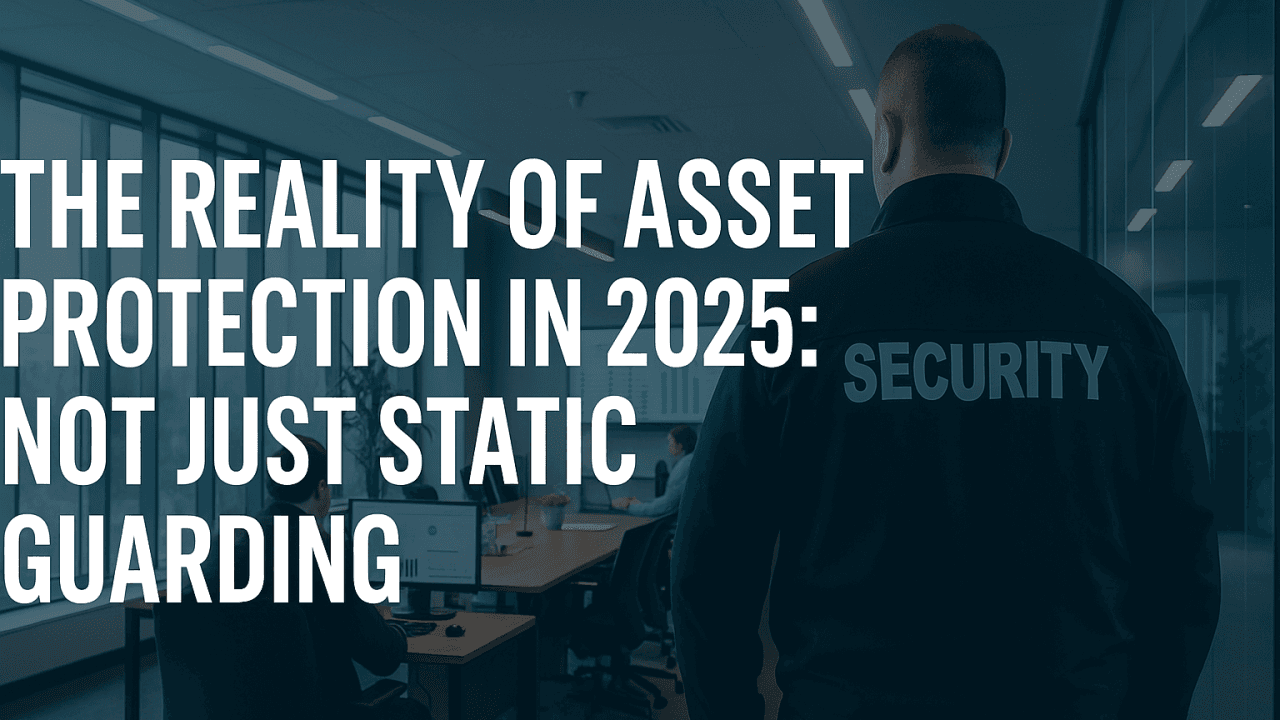
Residential Security Teams (RSTs) are now facing a new level of scrutiny. It's no longer just about static guarding or night patrols, it’s about layered, intelligent protection that deters, detects, and delays professional criminal operations.
Security companies are increasingly investing in:
Smart alarms and instant-notify CCTV systems
Reinforced entry points and secure-room design
Mobile patrol units for estate-wide deterrence
Rapid deployment protocols in response to live threats
Security fog systems to disable intruders on entry
There is also growing use of private patrols in affluent neighbourhoods, with communities pooling resources to fund 24/7 visible deterrence. Areas like Regent’s Park and parts of Kensington now have dedicated private security details, complete with check-in points, ANPR, and integrated emergency response plans.
4. The Shift Towards Preventative CP
Close Protection is also evolving from purely reactive VIP shielding to proactive risk mitigation. This includes:
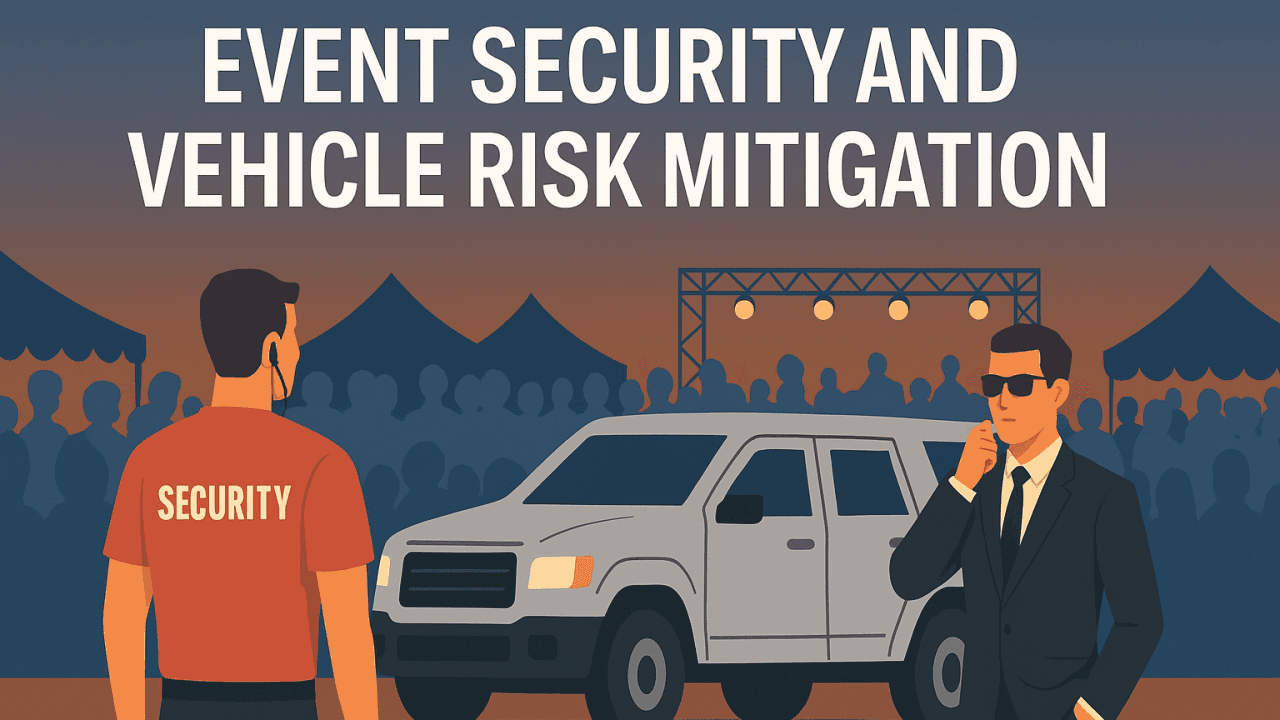
Advanced route planning and vehicle risk mitigation
Media management and digital footprint minimisation
Behavioural threat assessments before public events
Collaborating with cyber and physical surveillance teams
CPOs are expected to bring more to the table than physical deterrence. Soft skills, strategic thinking, and technological familiarity are now baseline expectations, not optional extras.
5. The Call for Industry Reform
Amid these developments, there is a growing consensus that the CP and residential security sector must professionalise further. This means enforcing compliance, improving pay conditions to attract top talent, and increasing public education about the true role and value of close protection.
Some are calling for:
Stricter SIA enforcement around licensing misuse
Minimum day rates to discourage price dumping
Publicly accessible registers of qualified providers
Union-style advocacy bodies to represent operative welfare
Final Thoughts
2025 has made one thing clear: the threats to VIPs and HNWIs are evolving, and so must the services that protect them. Whether you're a CP operator, residential team leader, or security company director, the message is the same, standards must rise, and the industry must respond with professionalism, innovation, and integrity.
If you're in the private security field, now is the time to assess your capability, invest in training, and educate your clients on what real protection looks like.