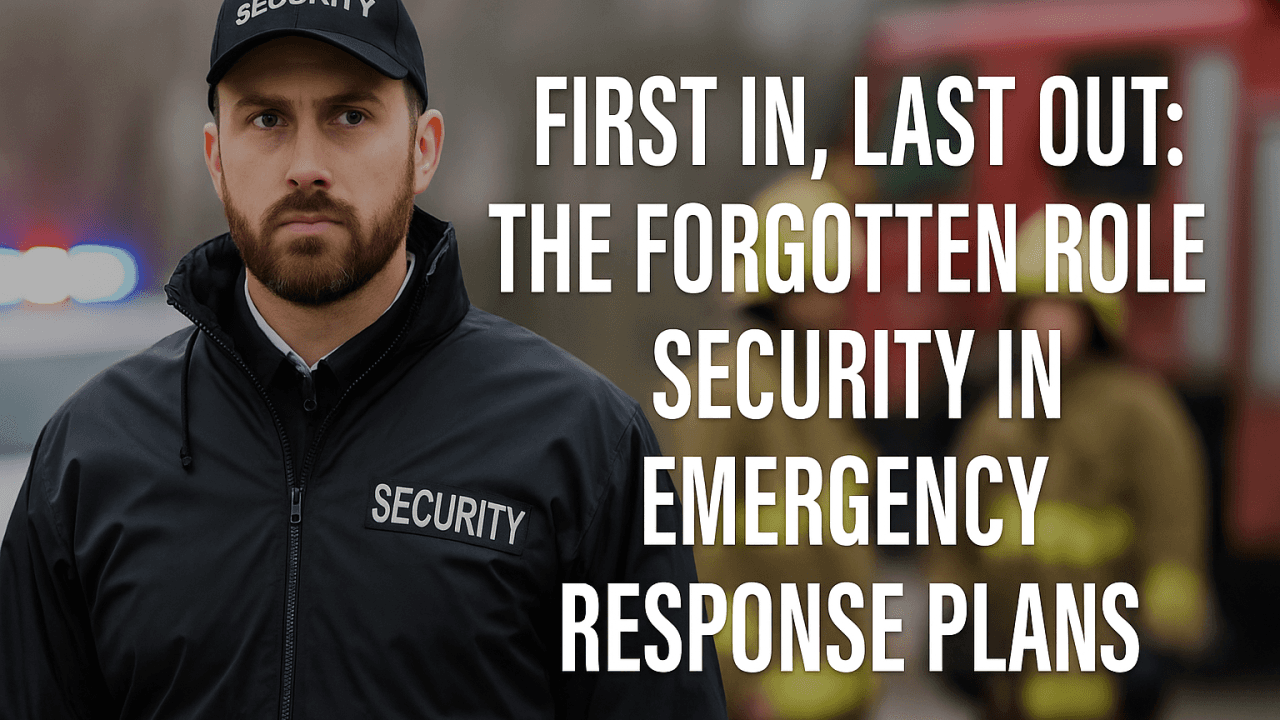
First In, Last Out: The Forgotten Role of Security in Emergency Response Plans
Newsletter

Nathan Bell
Managing Director
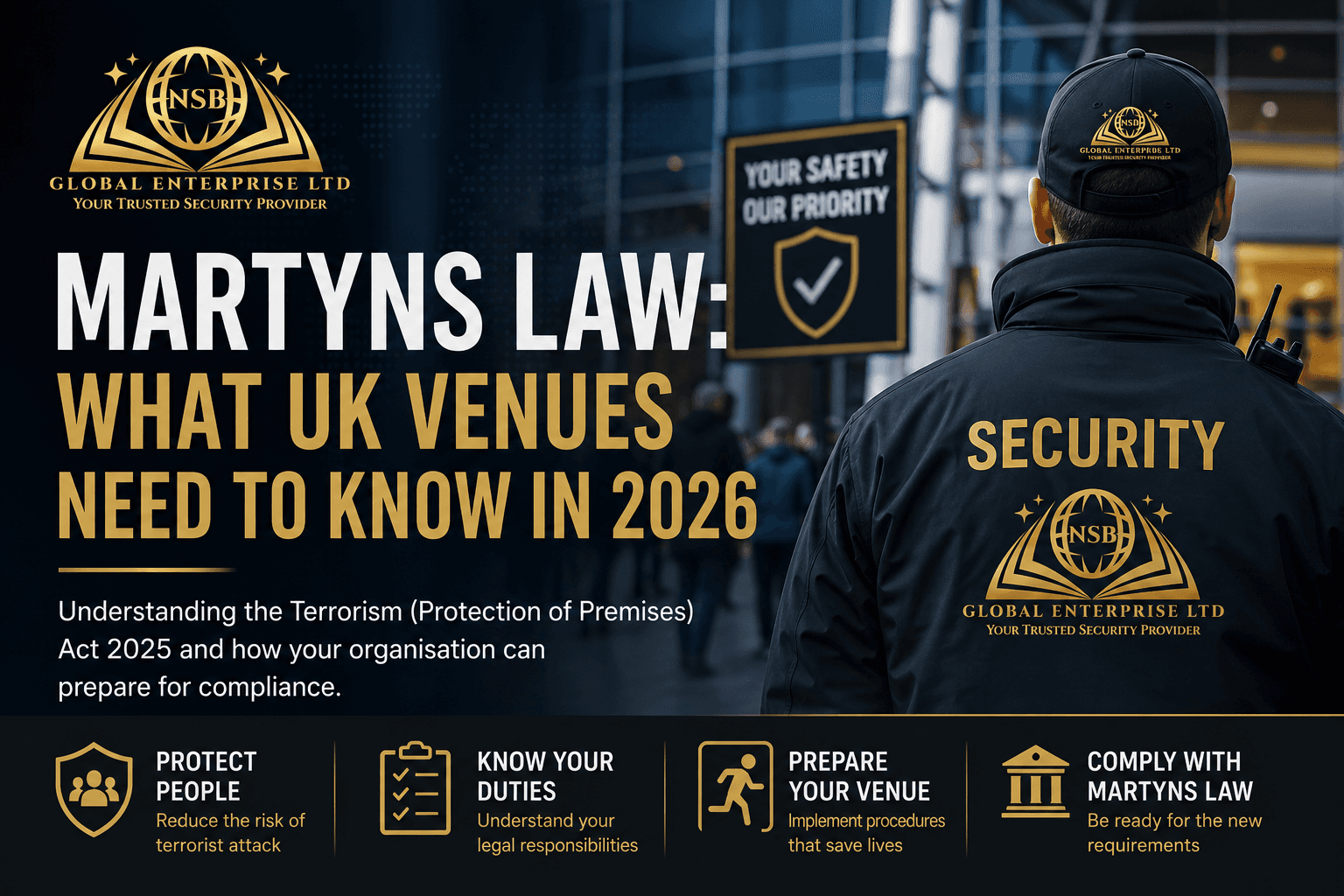
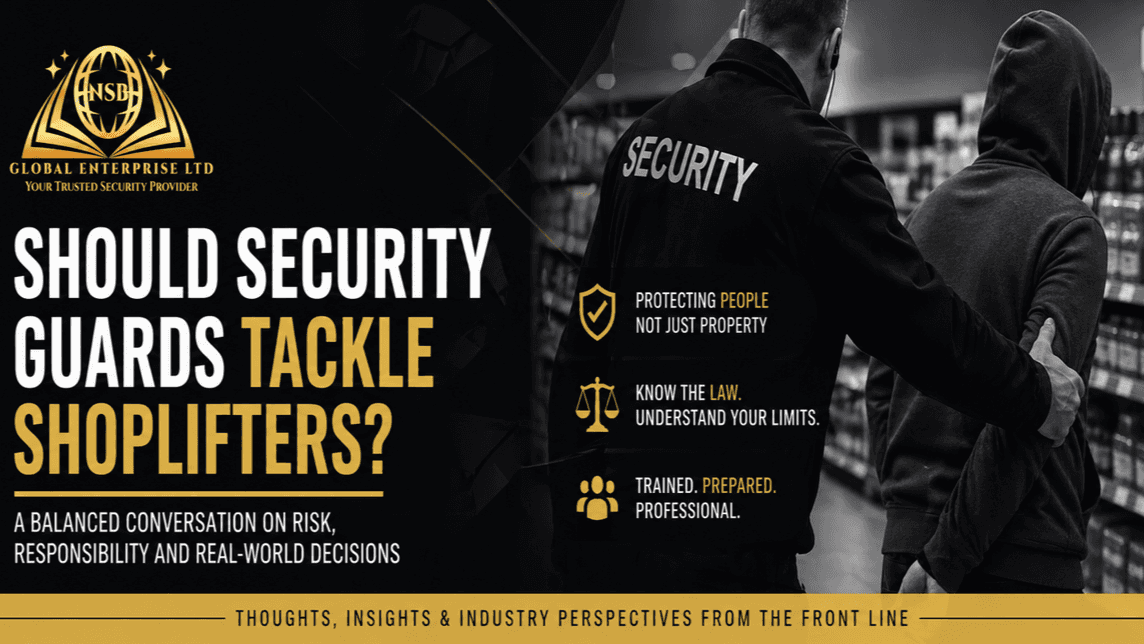
When people think of emergency response, they picture paramedics, fire crews, police or evacuation marshals. What they often forget is that it’s the security team who’s usually first on the scene and the last to leave. In 2025, with risks ranging from fire to protest disruption and even cyber-physical breaches, the role of private security in emergency planning has never been more critical.
So why are we still not treated as part of the core response structure?
The Unseen First Responders
Security officers are often the first to:
Spot the initial signs of danger (e.g. smoke, an aggressive individual, a suspicious item)
Trigger alarms or lockdown protocols
Direct the public or staff to safety
Liaise with blue-light services upon arrival
Yet, in many organisations, the security team is excluded from formal emergency drills or sits outside of the Health & Safety conversation entirely.
This oversight is not just disrespectful it’s dangerous.
The Knowledge Gap: Who Knows the Site Best?
Security teams are on site every day. They know:
All entry/exit points (including the ones most staff don’t use)
Where people tend to congregate during breaks
Which doors malfunction
Where the CCTV blind spots are
When an emergency hits, this local intelligence becomes gold but only if the team has been included in planning, briefed properly, and empowered to act.
Common Failures We See
At NSB-Global, we regularly pick up contracts where the previous provider or the client themselves didn’t treat security as a core emergency asset. We’ve seen:
No role for security in evacuation plans
Outdated emergency contact trees with no security contact listed
Fire drills that happen without notifying the security control room
Security officers expected to act but given no authority
This is a liability waiting to happen.
What Good Looks Like
A professional emergency response plan in 2025 should:
Include security at the planning table not just in execution.
Define clear roles for security personnel in fire, medical, and lockdown incidents.
Equip teams with trauma kits, comms tools, and PPE beyond the standard.
Run full-debrief drills that include feedback from guards on the ground.
Build in mental health support for officers post-incident.
When done right, your security team becomes a force multiplier not a silent witness.
NSB-Global’s Approach
At NSB-Global Enterprise Ltd, we don’t just watch and report. Our teams are:
Trained in emergency protocols specific to the site
FREC 3 qualified as standard (with stab trauma support)
Integrated into client comms and reporting channels
Supported with regular briefings, scenario training, and debriefs
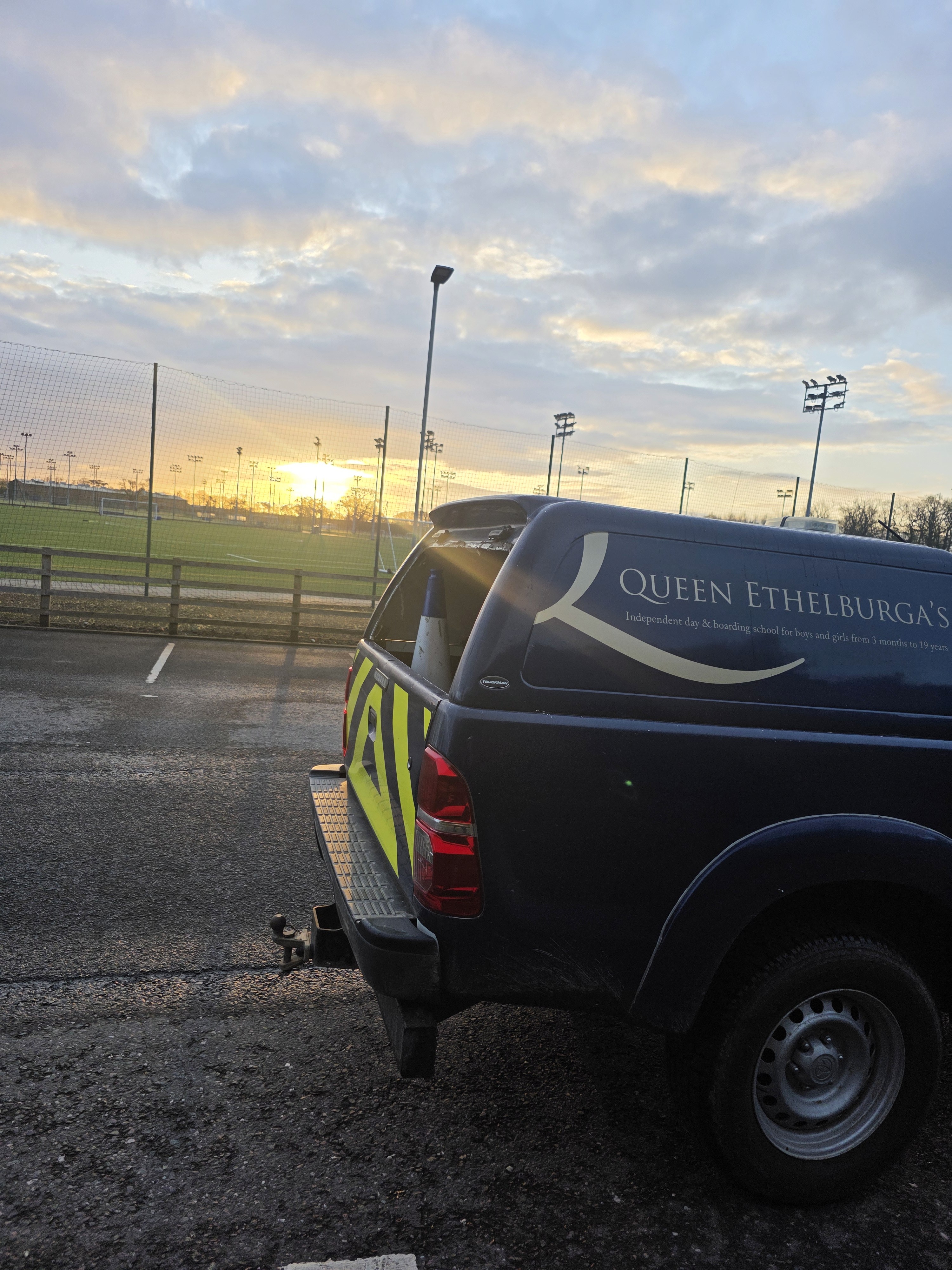
Whether it’s a school, religious site, event venue or estate, we plan for the worst so our clients can operate at their best.
Final Word
Security should never be treated as an afterthought when it comes to emergency planning. We’re not just guarding property we’re protecting lives. And in a crisis, you’ll want the team that’s already on-site, already trained, and already switched on.
First in. Last out. Always ready.